
The mosquitos feeding on the back of my hands were thick as fur. I used one hand to scrape them off the other hand, the only unexposed parts of my body.
This is one reason why people don’t actually go out and spend time in the field looking for weird lights, I thought. Freaking bugs. To them you are food.
Over the course of a year, during a dozen field study trips to rural Virginia, my crew faced dangers and hardships, like sweltering heat, poisonous copperhead snakes, and the bugs.
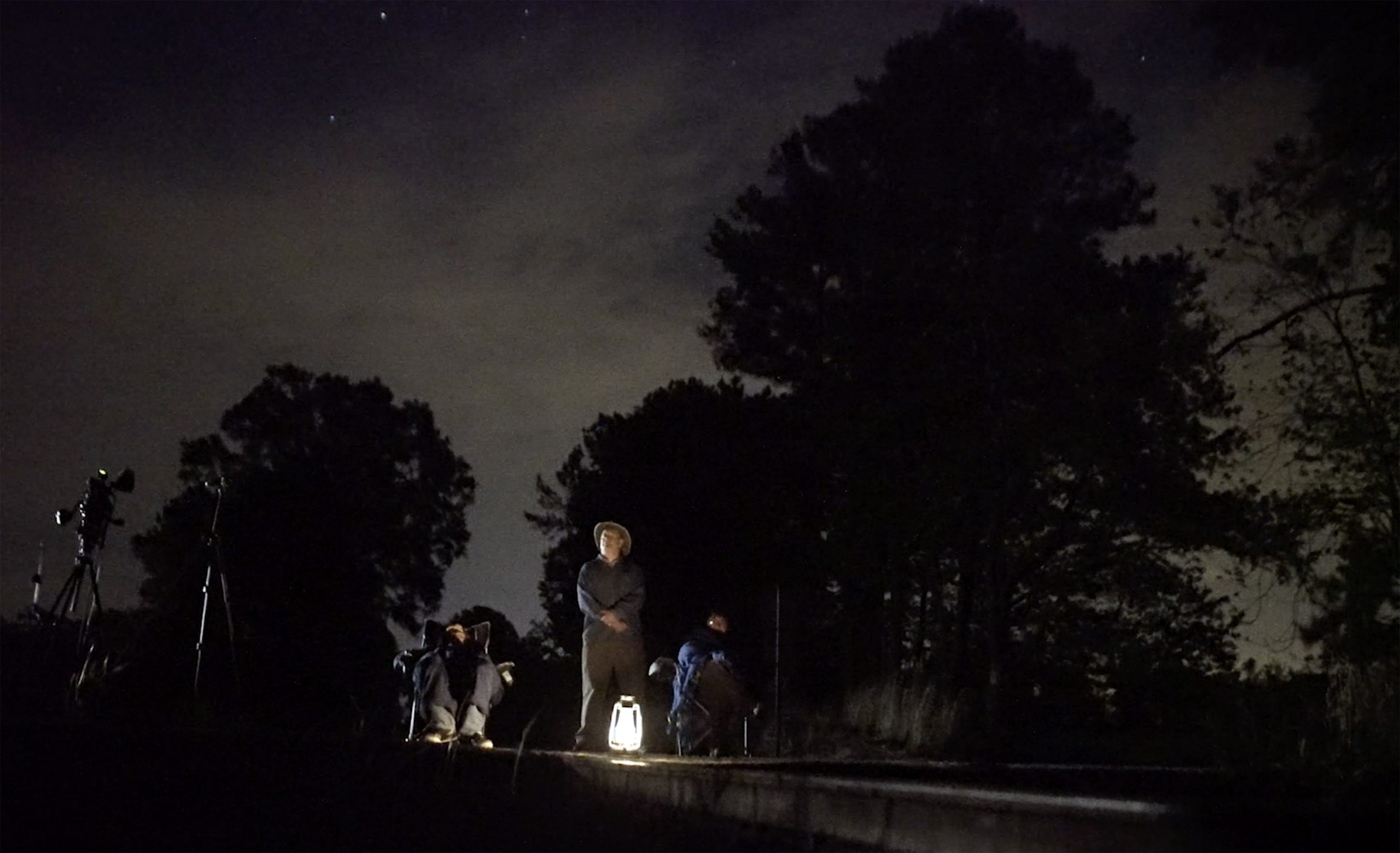
I sat alone beside remote railroad tracks outside West Point, Virginia. I was sweating, covered head to toe with a canvas poncho. Still the mosquitos found me. But it would be worth it if I could catch a glimpse of the fabled “Cohoke Light.”
My hypothesis was that some mysterious floating lights that people observe at locations around the world might actually be previously unknown bioluminescent aerial organisms.
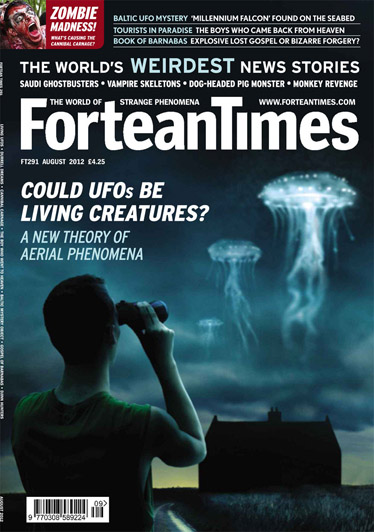
My article “The Sky Is Alive” appeared in Fortean Times #291, December 2012. It proposed the hypothesis that Earth’s atmosphere is a habitat and that many so-called UFOs may actually be aerial organisms similar to marine invertebrates.
 Since that time, I have attempted to test and expand the hypothesis.
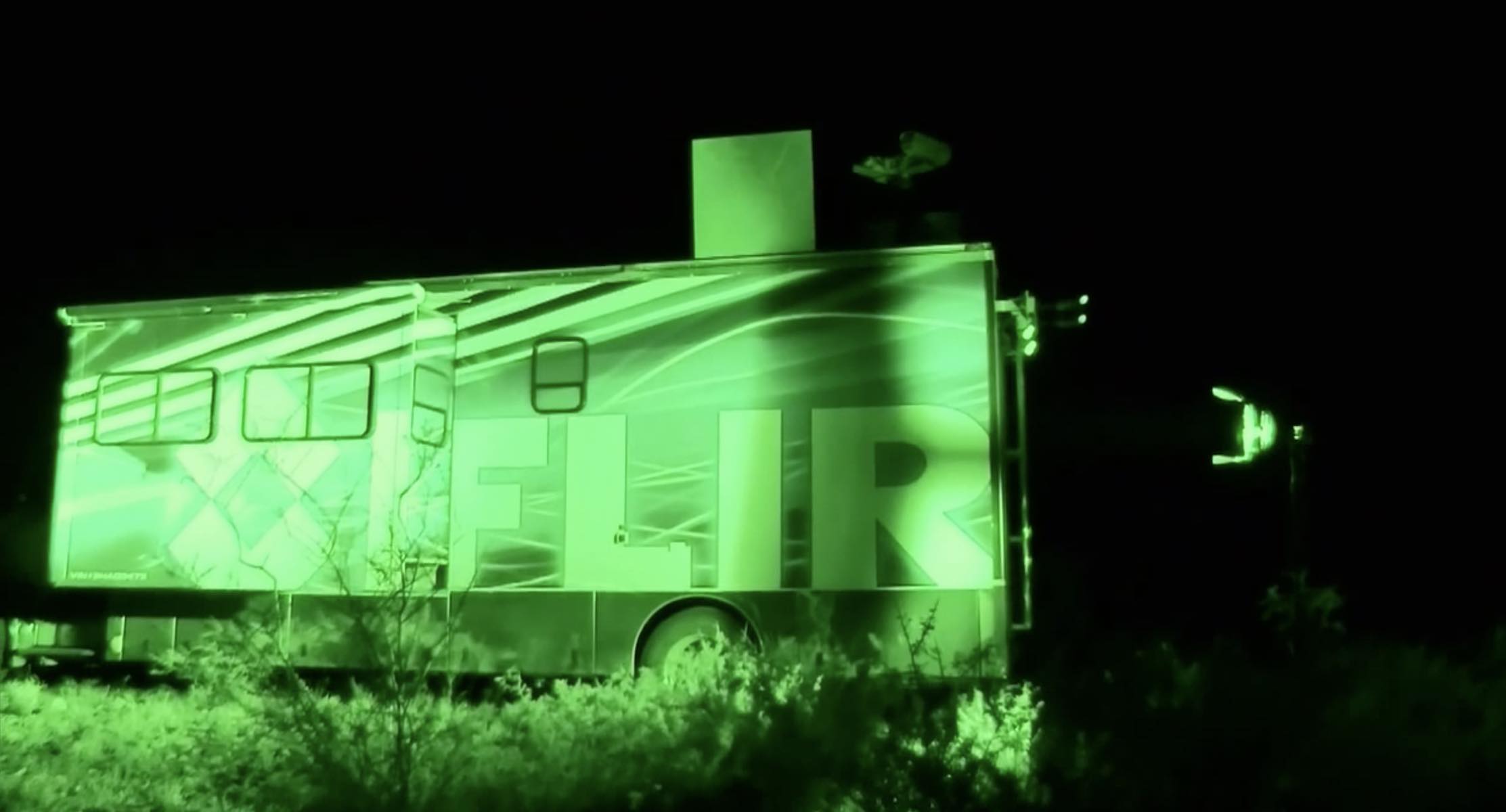
In 2013, I helped produce and appeared in a segment of Travel Channel’s single season America Declassified series. For Episode 8, Segment 2 – “Night Lights”, we explored the Mystery Lights of Marfa, Texas.
My hypothesis was that some lights may be produced by bioluminescence. This living light is very energy efficient. So they would appear visible, yet give off very little heat. Using state of the art Forward Looking Infrared technology, we recorded moving lights in the desert that gave off visible light, but had no detectable heat signature. While not proof that the lights are produced by bioluminescent organisms, it suggests the possibility.
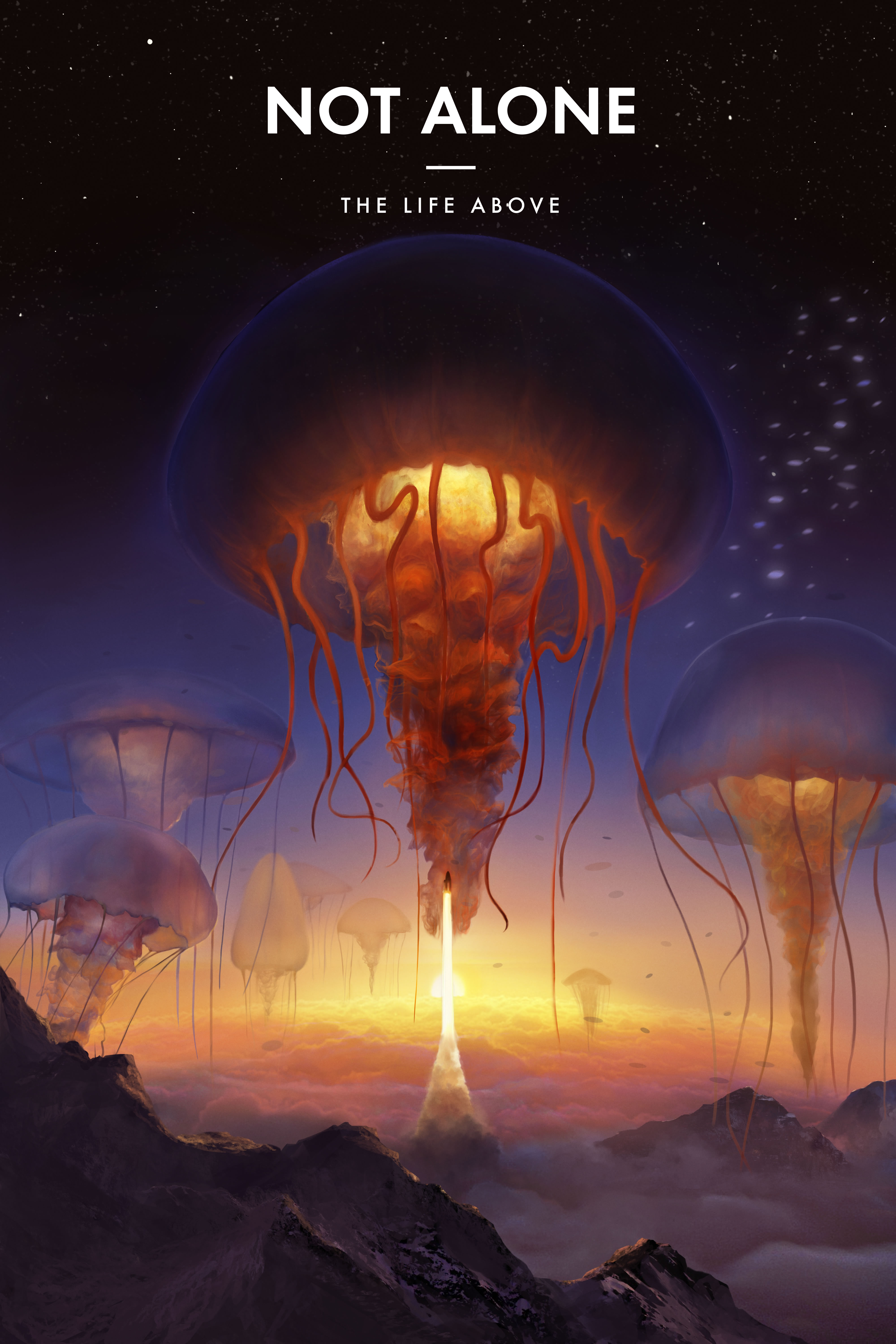
In 2015, I released Not Alone: The Life Above, a survey of historic NASA footage that seems to show Earth’s atmosphere is home to a variety of life forms. The observations from the International Space Station and the many Space Shuttle missions are essential paradigm changers.
One of the best aspects of the Living Sky Hypothesis is that it can be tested by field study. There are many spots on the surface of the Earth where people regularly see mysterious lights moving as if alive. The Living Sky proposes that if we explore these phenomena as biologists or hunters, we might find that some of them are actually alive.
Which brings us to the genesis of The Cohoke Light.
Around the world, people regularly see mystery lights in particular locations. The Living Sky hypothesis proposes that many of these lights could be bioluminescent aerial organisms.
I had visited Marfa, Texas and Brown Mountain, North Carolina to see the mystery lights there.
One of my children attended William & Mary University in Williamsburg, Virginia. During a discussion about mystery lights with a Williamsburg resident, they informed me of the nearby “Cohoke Light”.
People see the Cohoke Light near railroad tracks outside the town of West Point, Virginia (2025 pop. 3,610). West Point has a large paper mill at the junction of two rivers, the Pamunkey and the Mataponi.
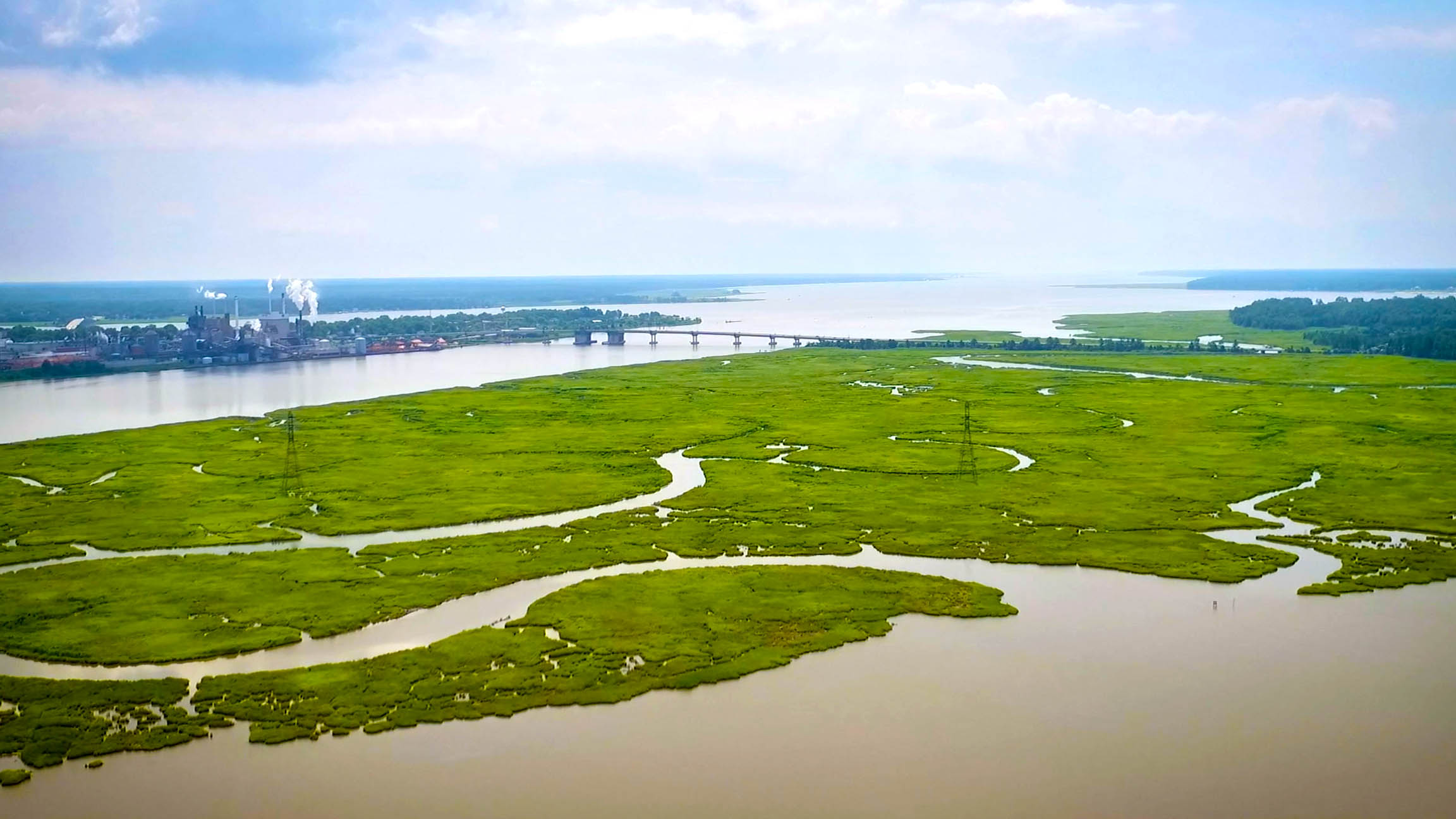 Drone’s aerial view of Pamunkey River West Point, Virginia
The Pamunkey is a tidal river, with a mix of fresh and salty ocean water as the tides roll in and out. This confluence creates a unique interface for marine and freshwater life.
A railroad track runs from the paper mill upstate to bring in raw material for the paper mill and to ship out its products. Follow the tracks upriver along the Pamunkey River and you enter the realm of the Cohoke Light.
Residents also report other strange aerial phenomena. One seasoned hunter saw a zeppelin-sized object silently float above the river, extend a proboscis-like tube, and seem to drink from the water. Two sisters described driving through the swamp, being chased by a giant flying silent glowing disc.
One thing common to mystery light locations is that local residents take it all in stride. People are happy to share stories of the lights, part of their culture and lives. We even recorded two local musicians performing their song about the light.
I reached out to West Point officials about the light. They referred me to Tory Dunn, longtime West Point resident. She had repeatedly observed and recorded the Cohoke Light. Tory helped us greatly on our many field studies.
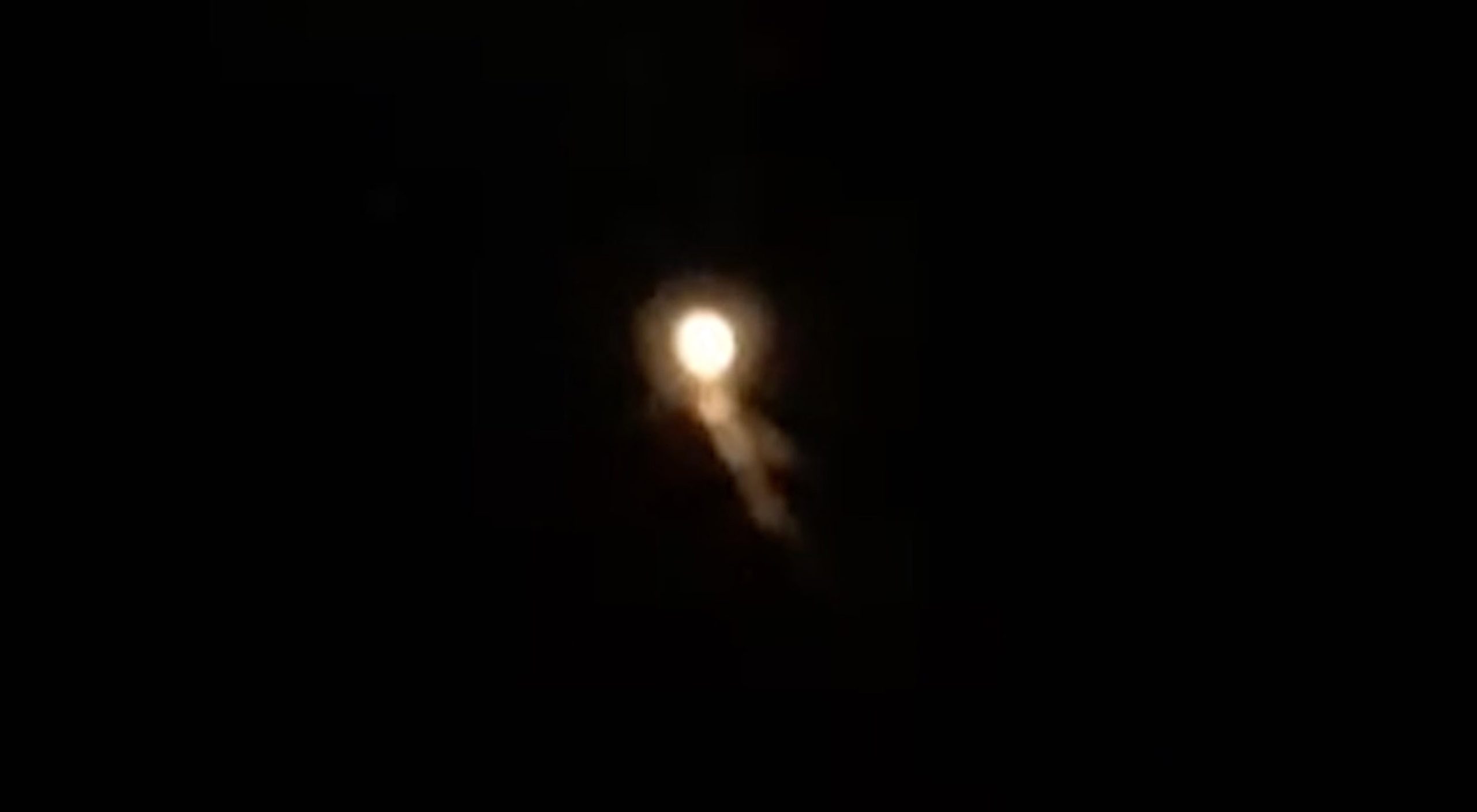 Still from footage of light on tracks we recorded during first visit.
We also reached out to officials of the Pamunkey Indian Nation. Tribe of the legendary Pocahontas and Chief Powhatan, they live on the oldest Indian reservation in the United States. Kim Taylor helped us greatly. She and her sister Allyn told us a hair raising tale of being followed by a giant glowing disc overhead as they drove home through the swamp one night. Kim and Allyn’s father Council Member George Warren Cook and William Kirk Moore described their encounters with the mysterious light
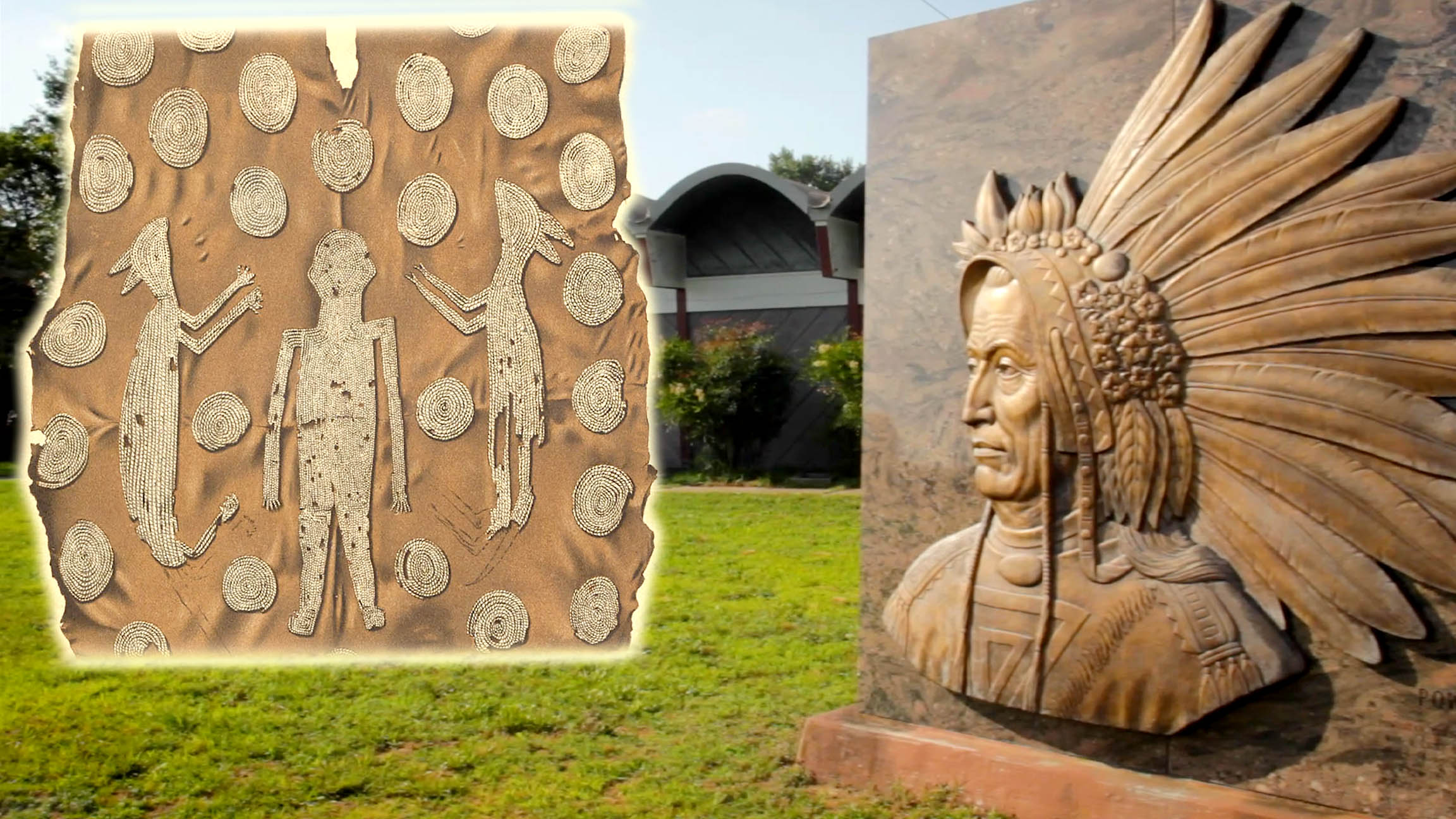 (Inset) Powhatan’s Mantle, early 1600s, currently in British Museum
(Right) Pamunkey Tribal Museum
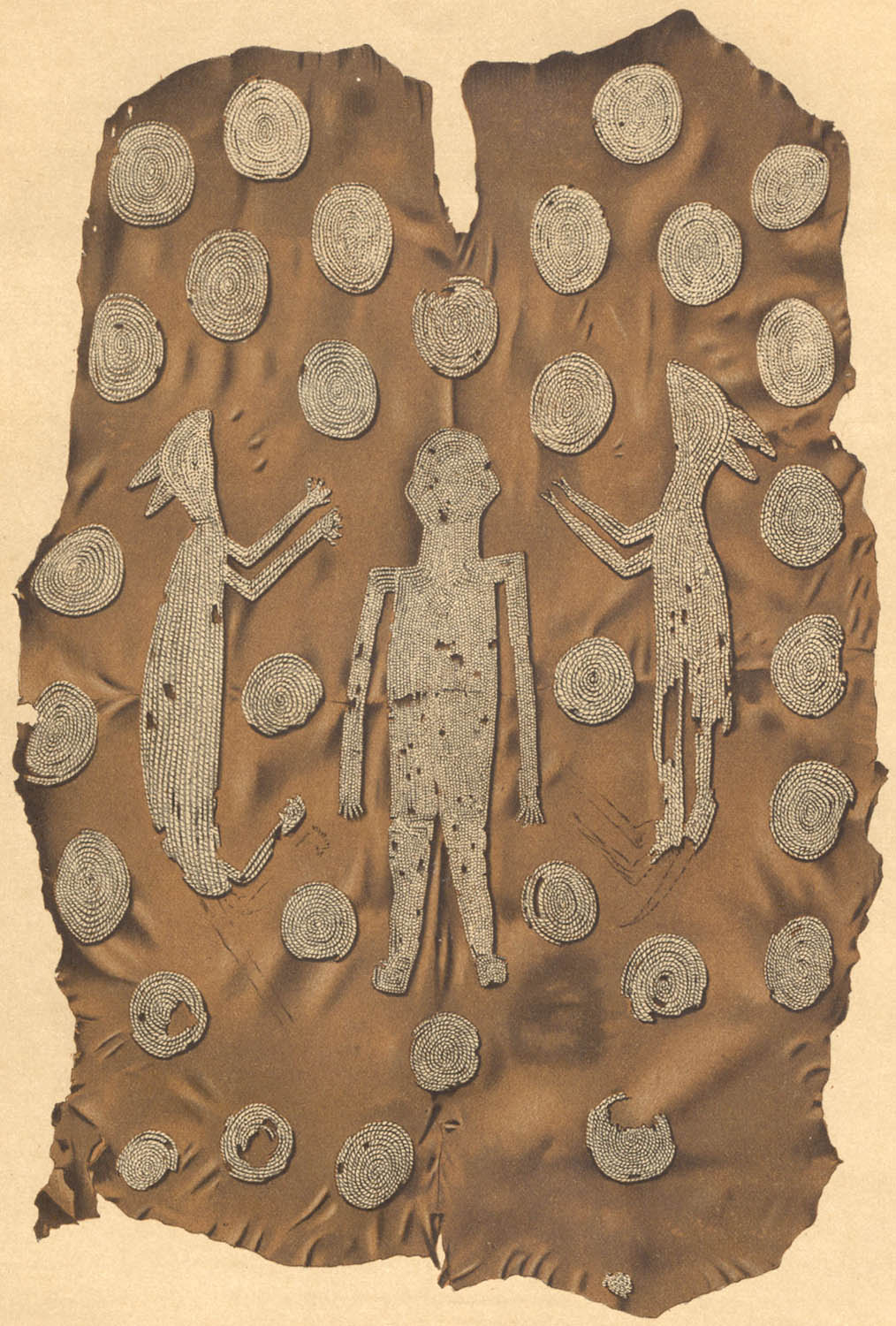
Chief Powhatan’s ceremonial mantle is kept in the British Museum. Notice the imagery, created by shells sewn onto the tanned skins of two deer. A man stands between two deer. Around them float numerous orbs, about the size of how people describe the Cohoke Light. Did the chief honor the lights? Did the lights acknowledge Powhatan as chief?
Here, amidst the swamp, people see lights along the tracks. Witnesses describe a floating light, around the size of a basketball. Some myths say it is the ghostly lantern of a train conductor who lost his head during the American Civil War.
The light flares and dims, it floats and flies along the track. It has interacted with vehicles and people. People say the light follows and approaches them, but acts cautious and disappears when pursued.
The best way to observe mystery lights is to learn about the landscape, and identify likely locations. Some locations are well-known, others less so. Here, the lights appeared along the railroad tracks. This seems likely as surrounding the tracks are miles of thick forest. Perhaps the rail line offers a clean line of sight for what may be happening throughout the forest.
Then you watch and wait. Some people said the lights appear in the middle of the night. Some said they appear near dusk, and some said before dawn. Like wildlife, the lights seem to have different activity schedules.
I brought camera crews and recorded activity around the tracks a dozen times at different seasons during 2016.
We started in Spring, continued through the heat of Summer, and wrapped up in late Fall before the first frost.
During our studies, we recorded previously unknown bioluminescent organisms.
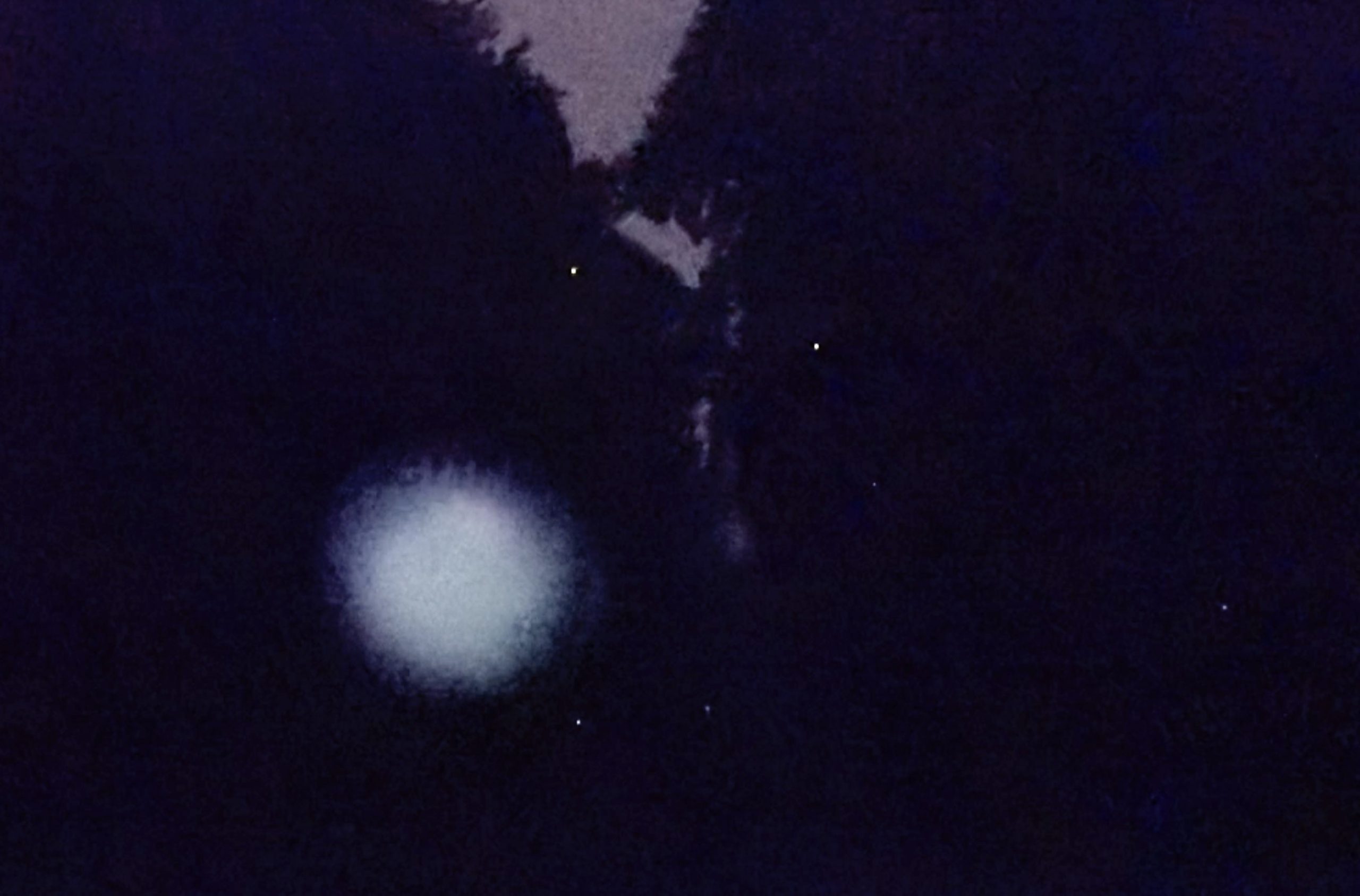 Still from footage of object passing before camera.
We recorded clear evidence of glowing objects flying through the sky. These objects seem to be alive.
Their size and populations seemed to grow and mature as seasons passed. The first hints of life in the sky appeared in Spring, as our lights revealed pulsing orbs that flew by and changed direction. A sensitive low-light camera we used revealed their fleeting presence.
Chance plays a role in capturing images of mystery lights. Where do you point the camera? At what depth do you try to focus?
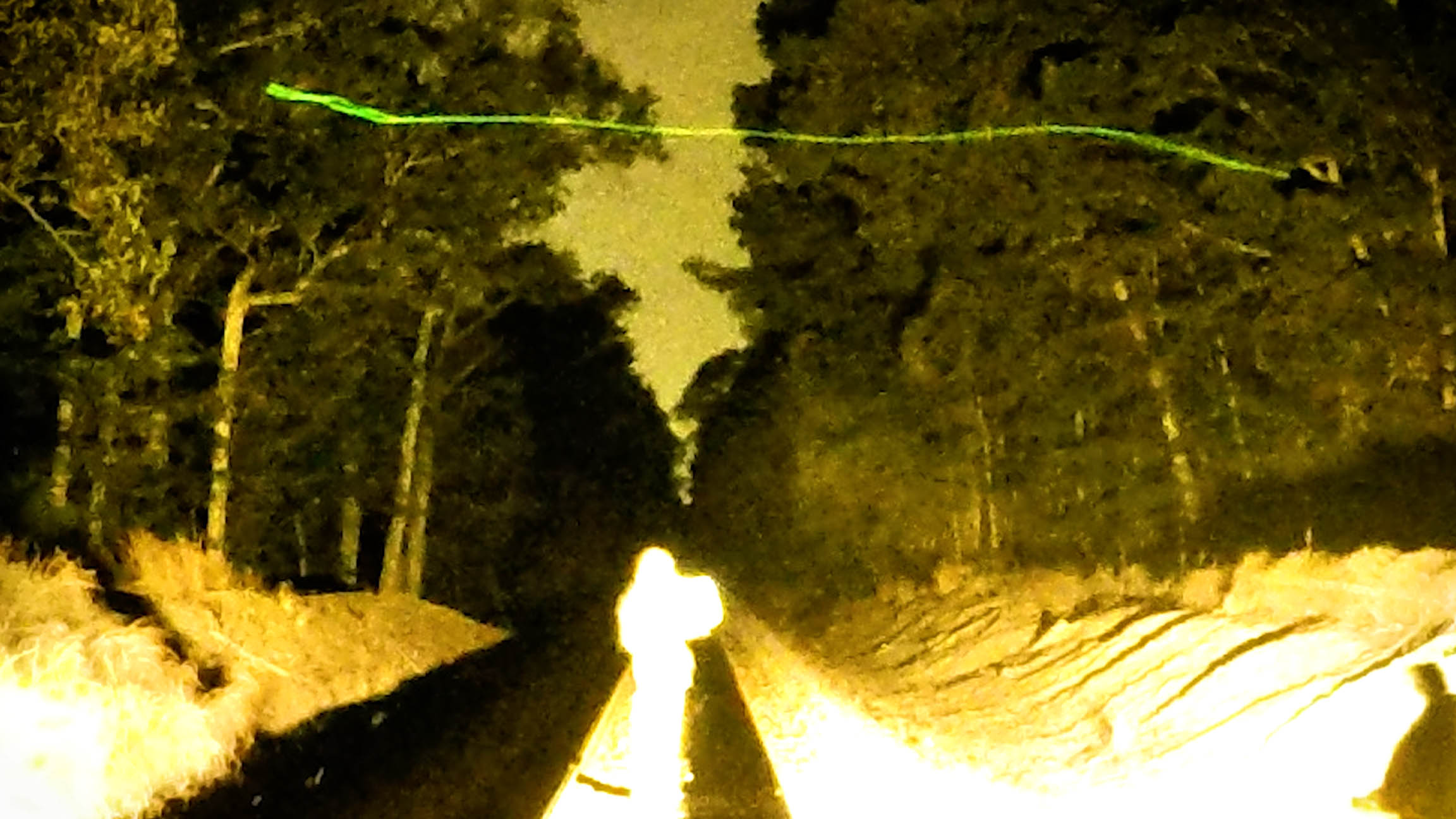
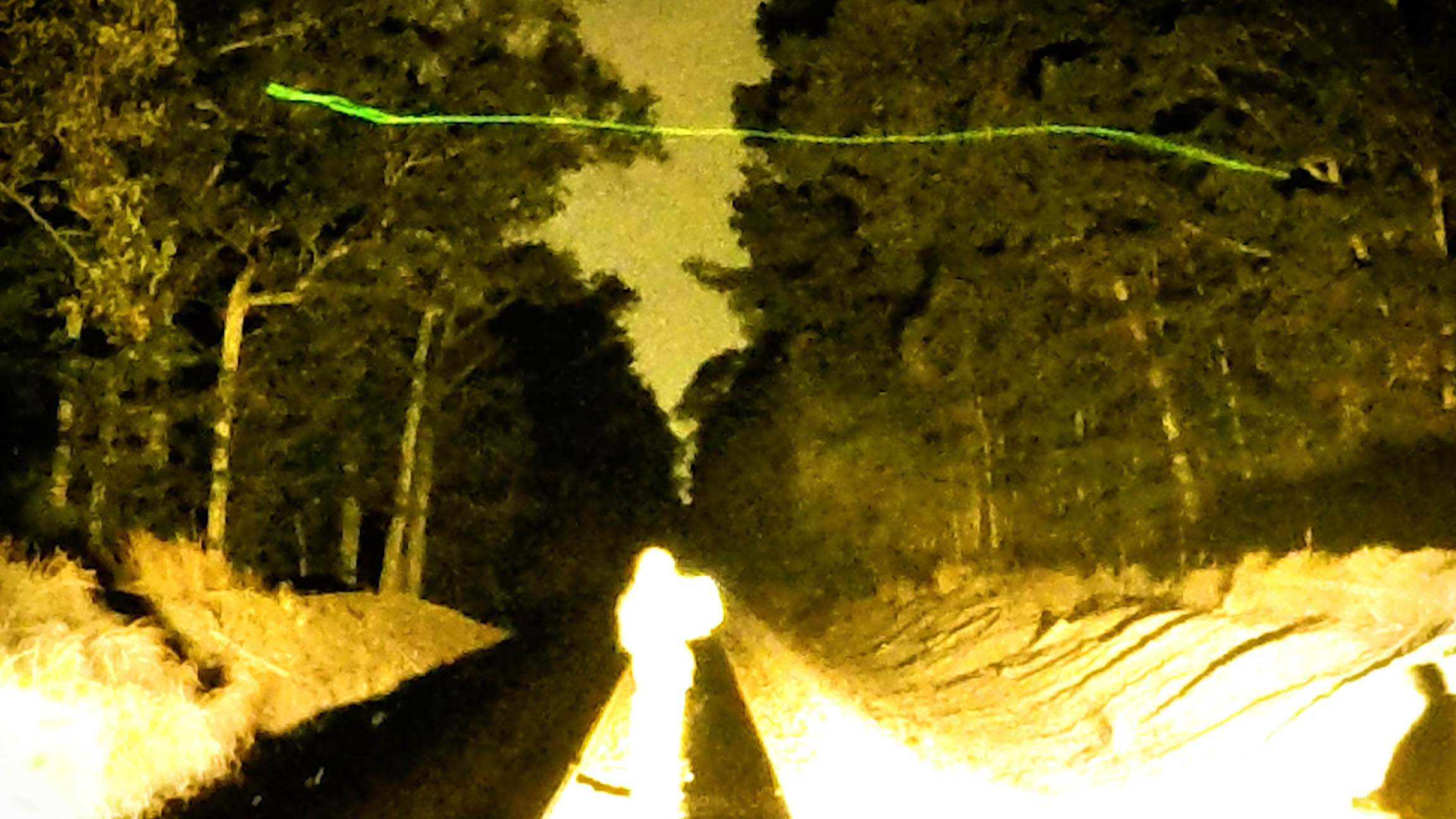
They may appear in an instant and disappear before you have time to react. During one visit with our largest crew, we had five different cameras pointing down the tracks. We watched in shock as a bright green light flashed from the tops of trees beside the tracks. A much brighter green light flashed from the sky in response. We looked at each other in amazement and asked, “Did anyone get that?” Since we were all focused down the track, no one recorded it!
Sometimes, chance favored us. During one early Summer shoot, we focused on the sun setting over the tracks as a bat circled back and forth. Only later did we realize we had unwittingly recorded a swarm of pulsing, translucent, nearly invisible objects above the tracks, revealed by the setting sun. As the bat flew, the objects seemed to react to its movement.
We recorded this by accident, not planning to see the objects, not noticing them at the time, but seeing them afterwards on the video.
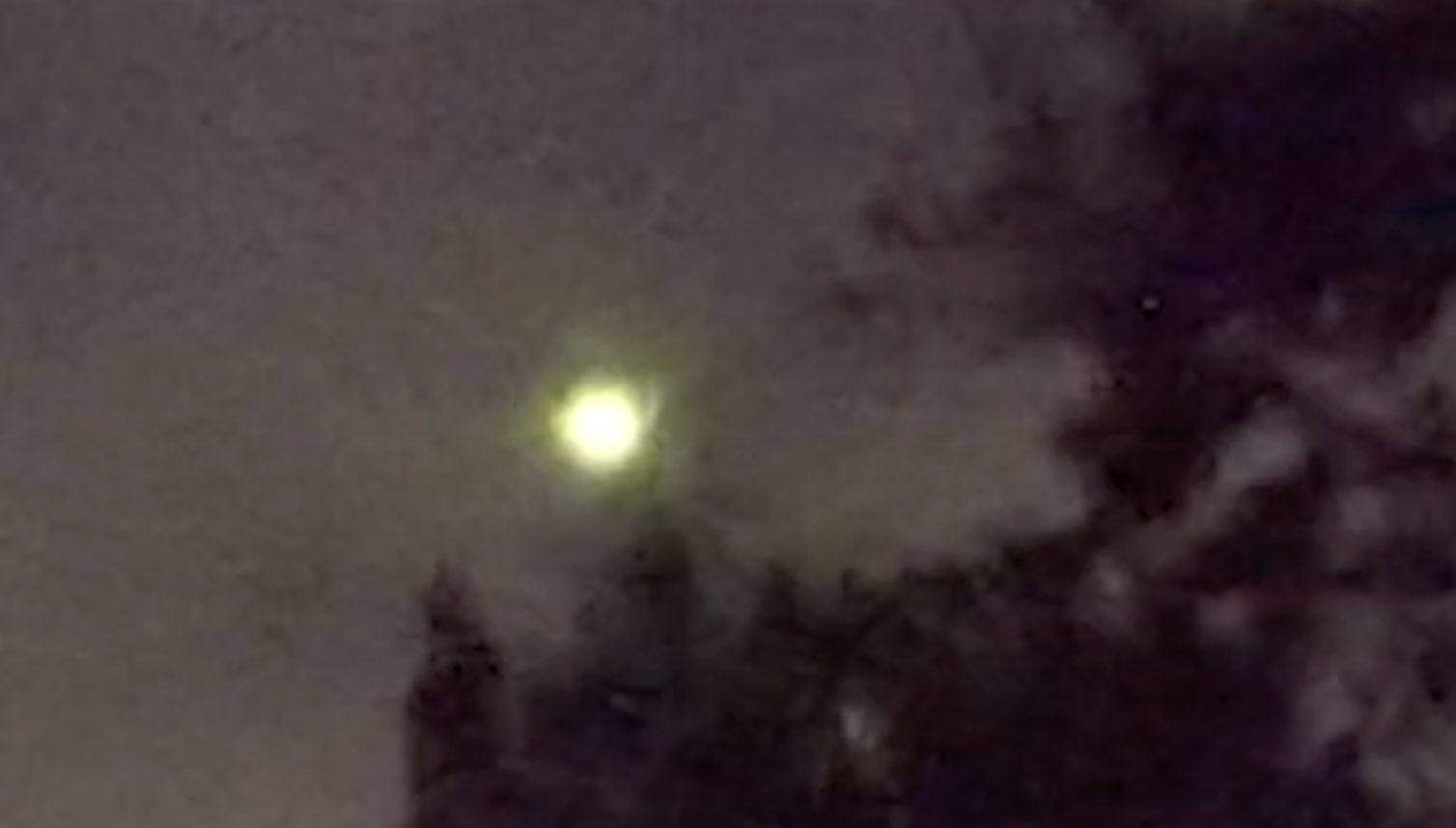 Still from footage of glowing green light flying through the trees.
We faced many challenges watching for the lights along the tracks.
Like many mystery lights, the Cohoke Lights reside in wild inhospitable locations, away from intrusive humans. The remote environment of West Point itself posed its own challenges.
At first we thought the threat of snakes might be an exaggeration. But on one visit, as we set up cameras, we heard our guide Tory scream and turned to see her leap about four feet into the air from a standing position. She had nearly stepped on a four foot venomous copperhead snake! The snake slithered into the rock bed below the iron tracks. We were never complacent about checking for snakes again!
Perhaps the worst challenges were the bugs. Try to imagine the population of bugs in Virginia swampland during deep Summer. You cannot. A constant barrage and flurry of bugs of all sizes, speeds, and temperaments overwhelms your perception of nature. However, that same powerful insect diversity provided amazing shows of bioluminescence.
The United States has a variety of fireflies, or lightning bugs, beetles that flash glowing green lights from their abdomens to signal to mates. There are more than 2,000 known firefly species, each with their own language of light. The displays of lightning bugs in grass, in bushes, and the trees around the tracks was magical.
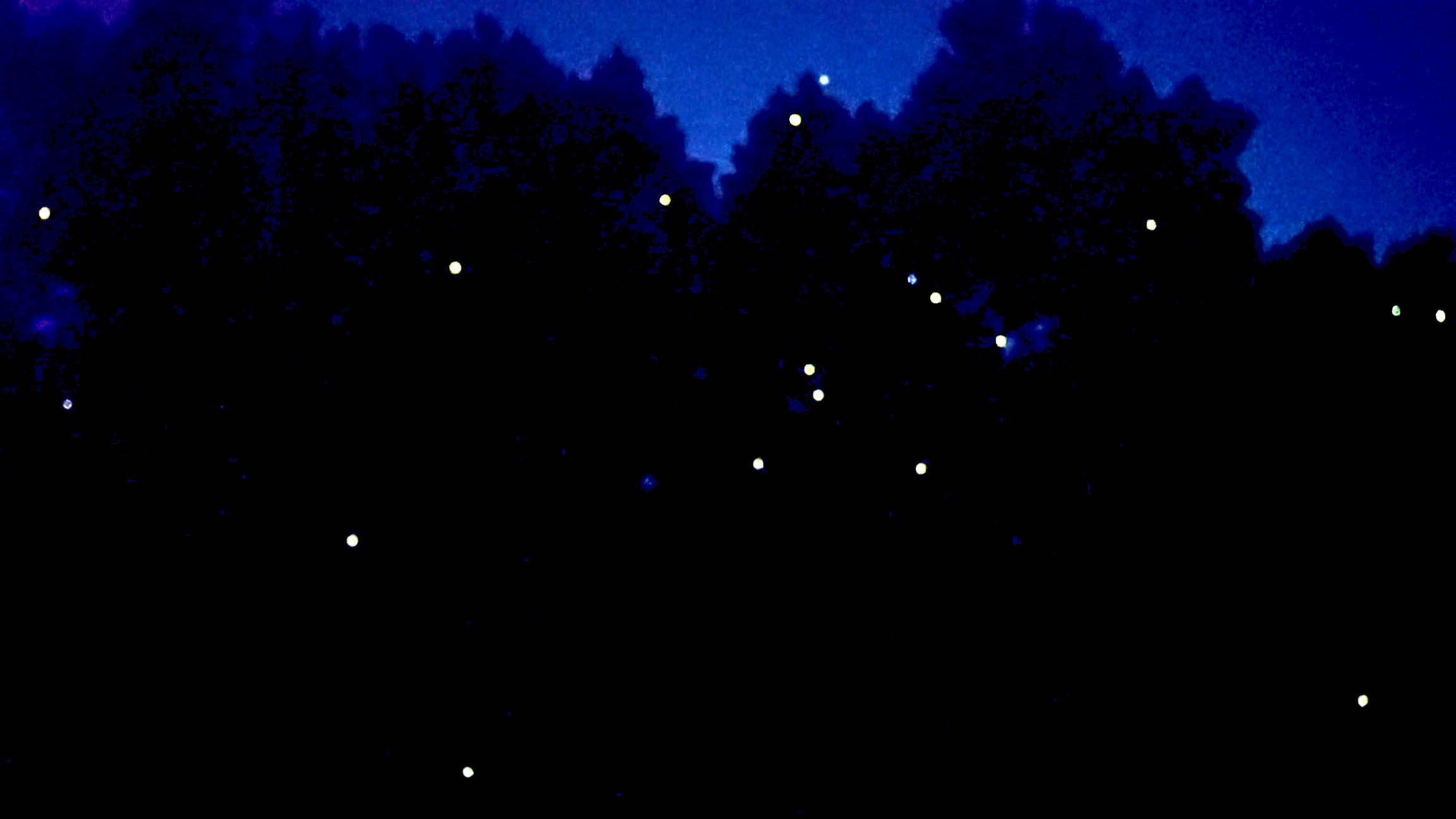
One unexpected challenge when watching mystery lights is for people to be still. Watching for long periods is often boring. But if we consider the lights as animals, they may not show up if people are gabbing and checking their phones. And they might rush off when people see them, point, and shout, “Look at that!”
So I visited the tracks by myself one summer night. I thought I saw tiny flashing lights along the tracks, so quick as to be barely perceptible. I ran the camera in slow motion with a telephoto lens, hoping to catch one of these objects. I got lucky, and recorded a couple of objects seeming to approach and retreat in the air, flashing lights as they flew. It is hard to conceive how fast these objects were. They changed directions in fractions of seconds.
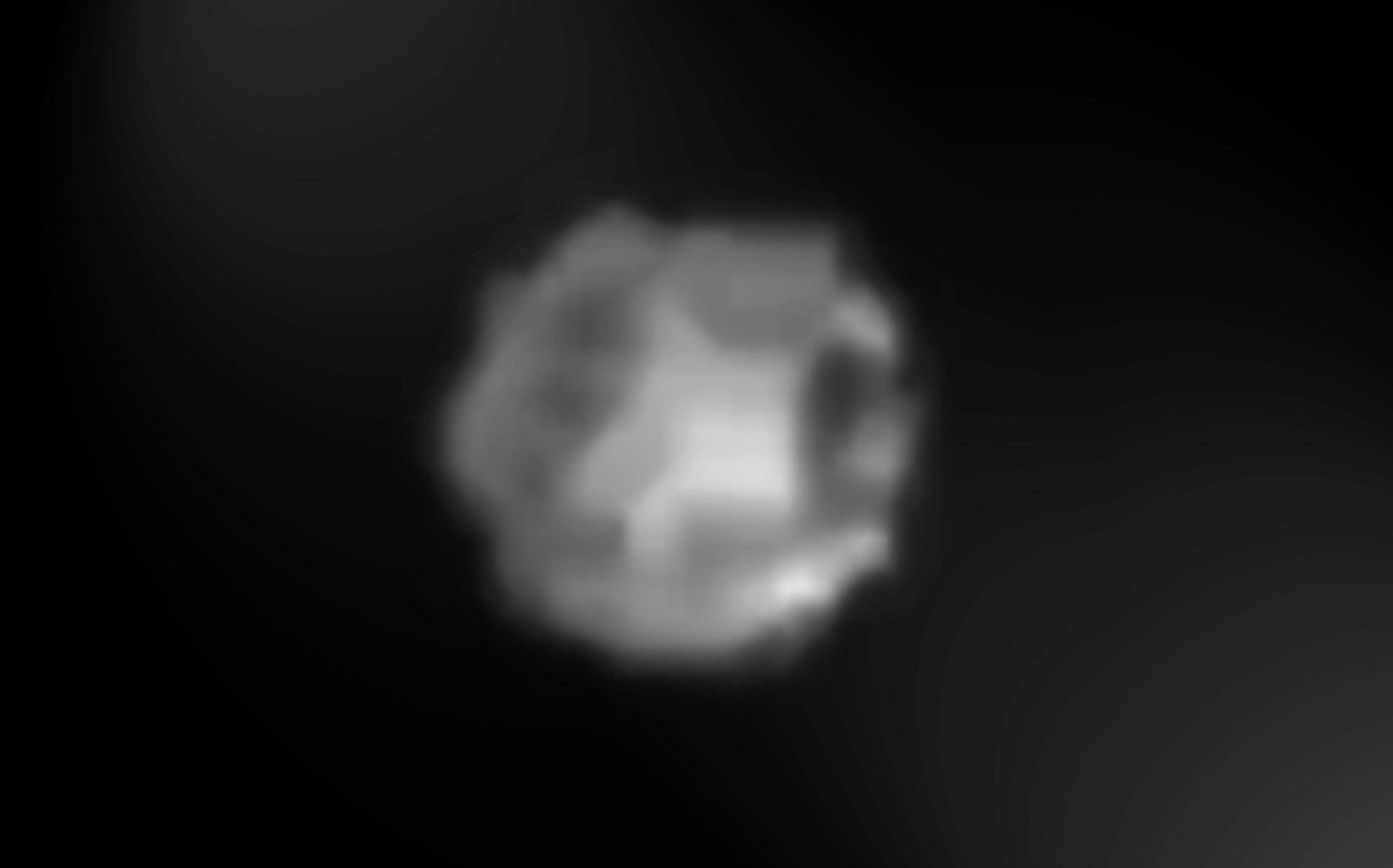 Still from footage of glowing disc flying above tracks.
On another occasion, we set up cameras with one second exposures. They recorded objects flying over our very heads so fast we never even noticed them!
This one-second exposure shows the speed of one light.
One late Summer night, we captured footage of what seems to be a classic Cohoke Light. We set up a camera pointing down the tracks and let it run from day into night. That night, in an amazing eerie moment, we saw a glowing orb appear, flare, float slowly across the tracks, and then fade and disappear. And we recorded it clearly. We combined this footage with the daylight view for reference, allowing us to see the actual size of one of the Cohoke Lights.
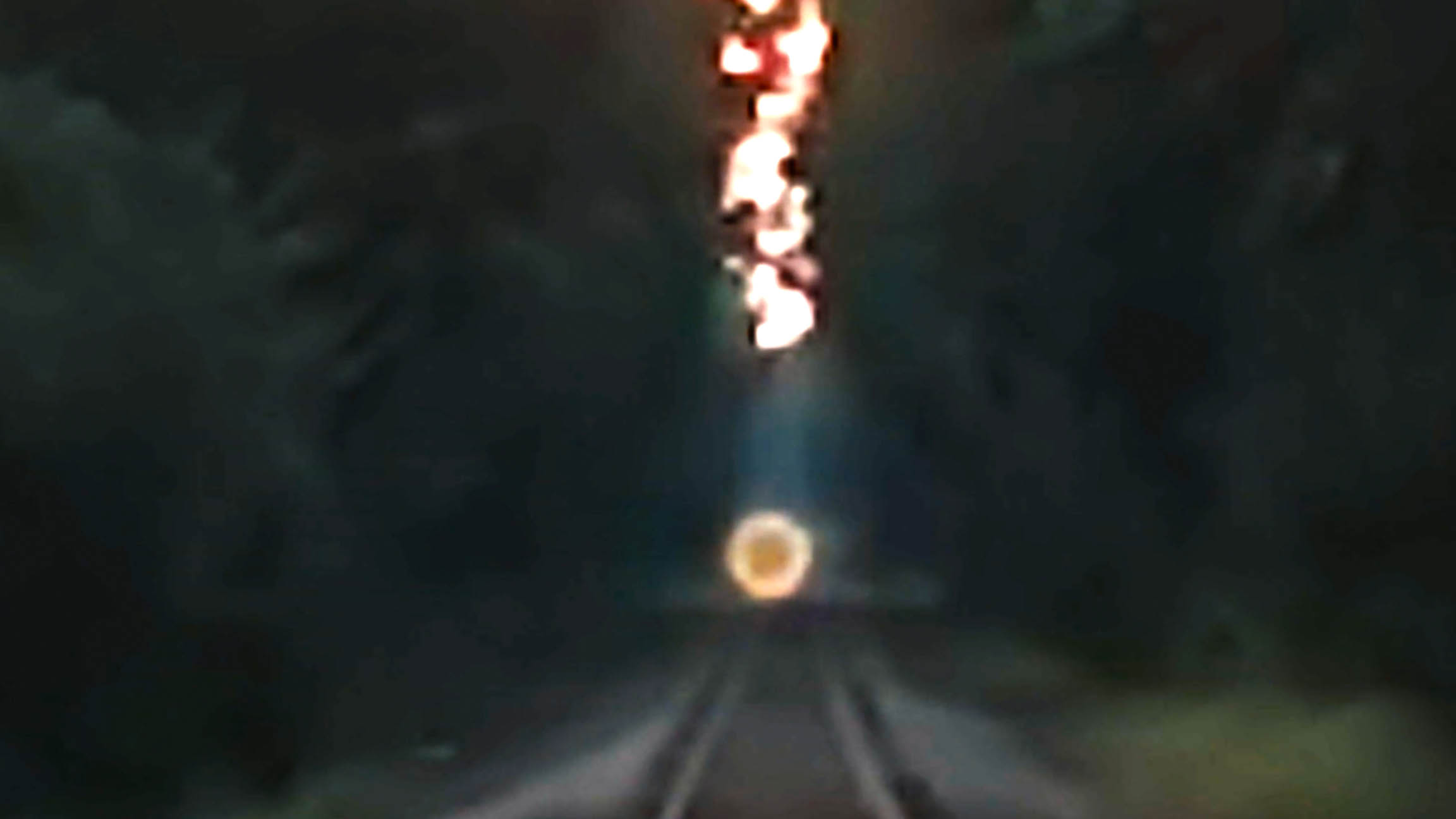 Still from footage of glowing disc floating across tracks.
During late fall, we visited the tracks one more time. This time, we set up a laptop, with a looping video of the light we recorded on our previous visit. We hoped to use the recording of the light as bait to attract other flying objects.
Almost as soon as we set it up, we saw lights moving through the air above the track and through the trees. We recorded one of the best videos of the entire study. A bat swoops by a branch of a pine tree. Shortly after, a glowing object descends, flares and flashes as if to warn the bat away, and then flies away and disappears. Cameraman Kevin O’Brien captured a historic recording of a previously unknown aerial organism.
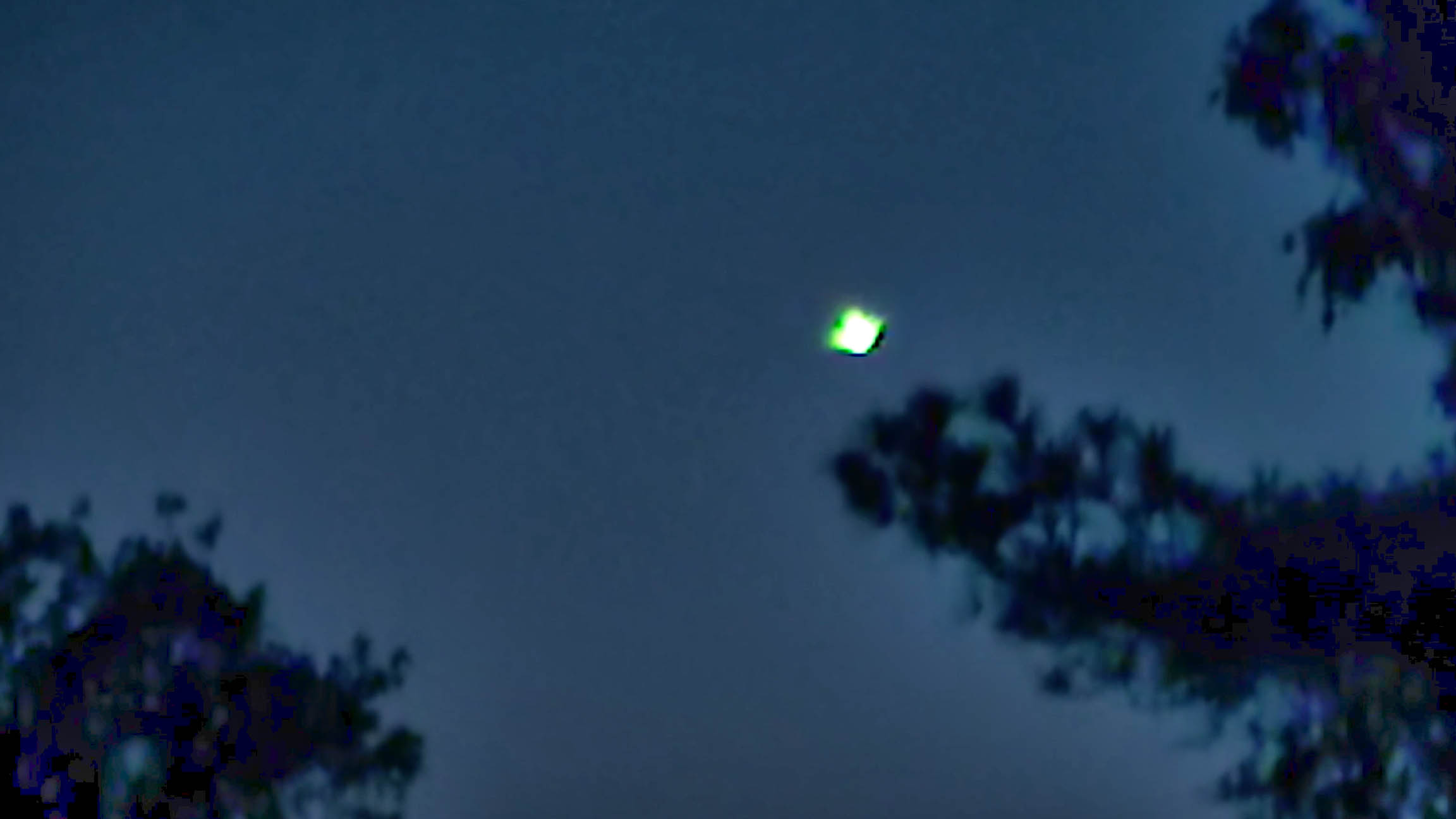 Still from footage of glowing light swooping to tree top..
Lessons learned from nearly a year’s worth of field study of a mystery light – if you wait and watch long enough, you may be lucky enough to capture footage of lifelike objects moving through the sky. However, it requires patience, commitment, technical awareness, and massive luck.
Technology may make such observation easier. Dedicated low light time lapse cameras may make it easier to perceive objects invisible to our naked eyes.
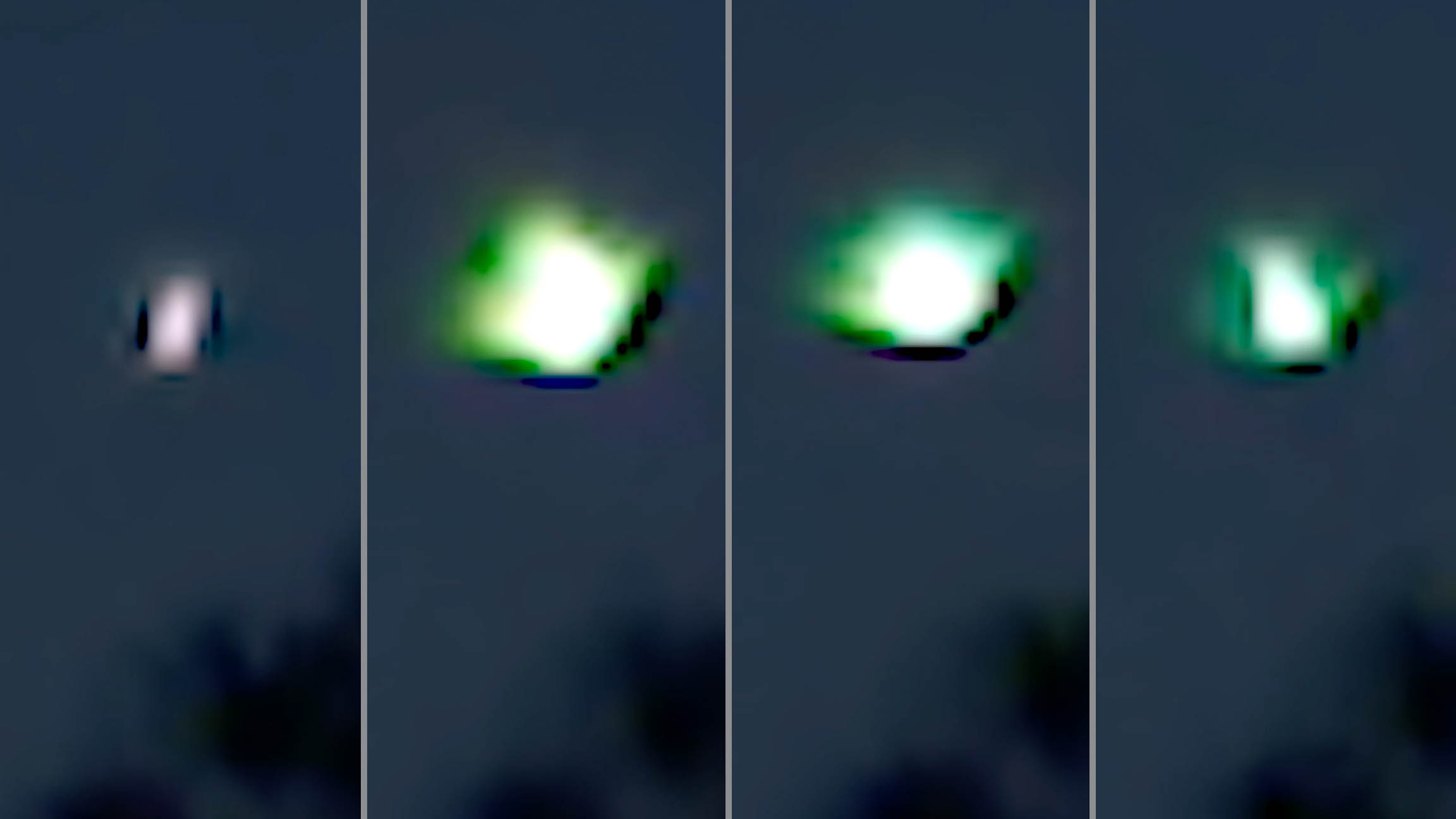 Series of stills show movement of glowing flaring object above tree.
We recorded never-before-seen footage of glowing flying animals near West Point, Virginia.
I predict if we observe many locations with the right equipment and attitude, we will observe many more aerial organisms. We will open the door to a new realm of life – life in the sky.
The Cohoke Light is now available for free on YouTube or for download at thelivingsky.com.